Ed Chen

Architecting institutional-grade trading platforms where
extreme regulatory constraints drive elegant UX.

Building scalable design systems for high-stakes financial environments across global markets.

πŸ”’Metrics abstracted for confidentiality. See public evidence β†’
Enterprise Systems

ACY Securities
Product Ecosystem

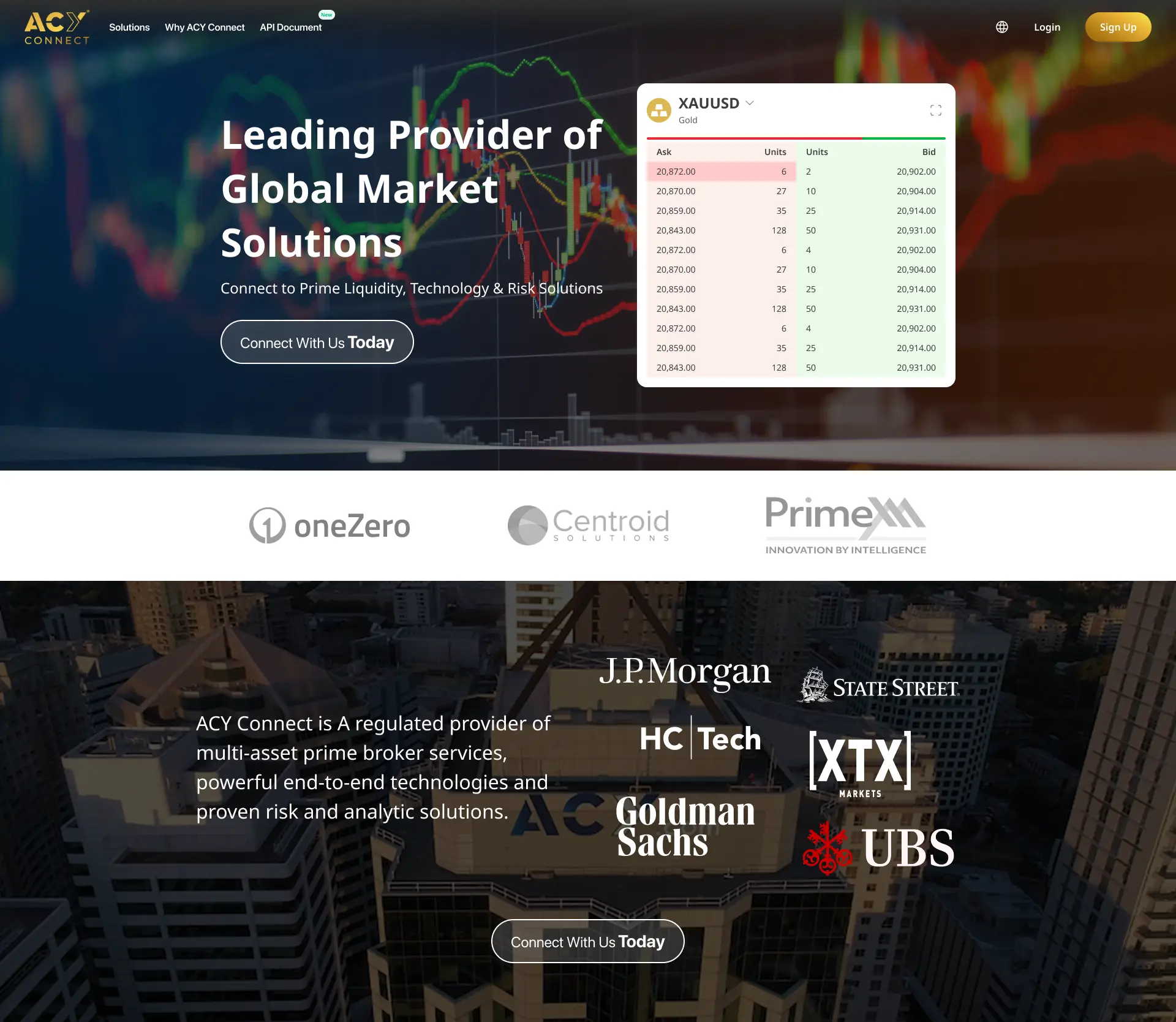
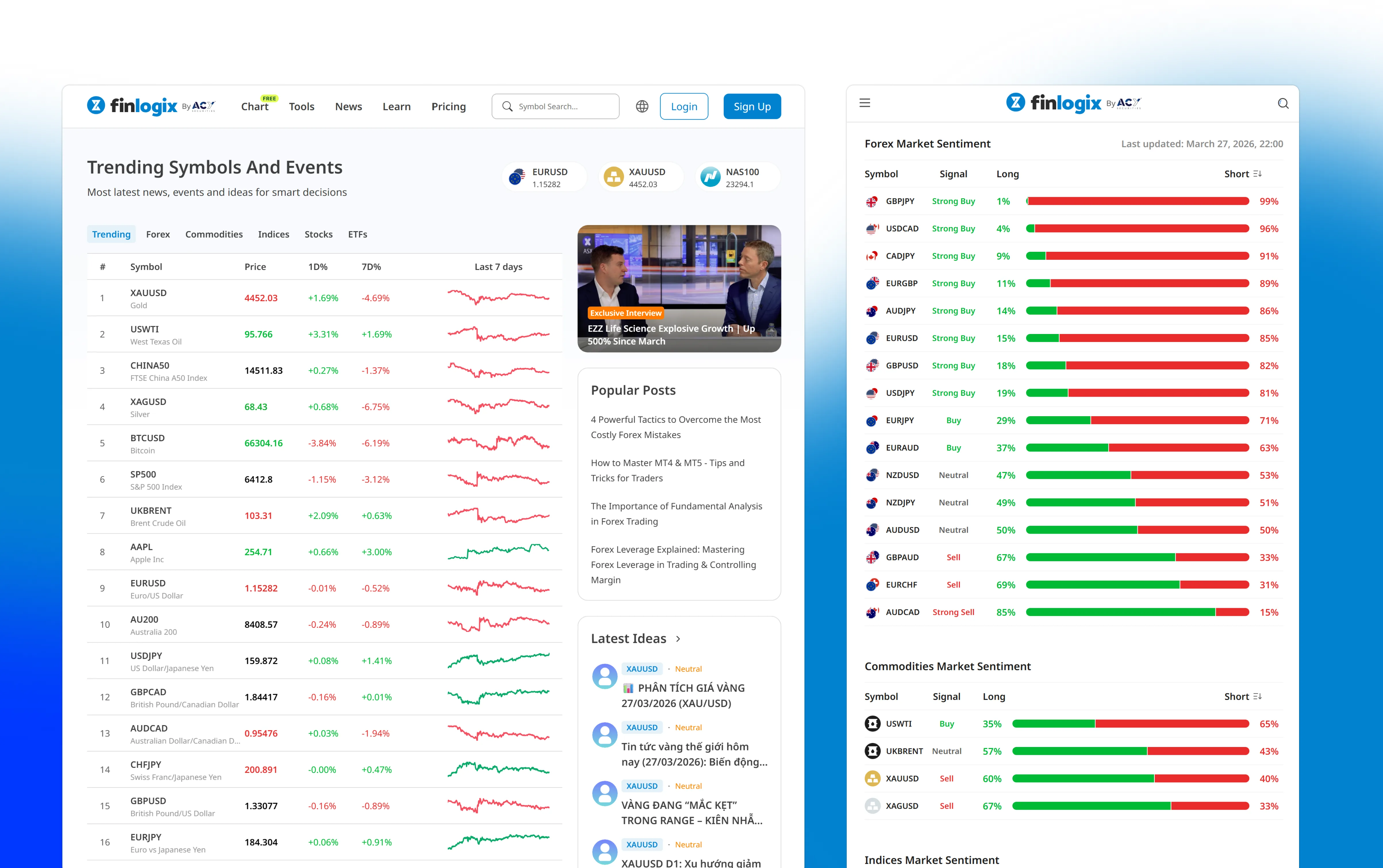
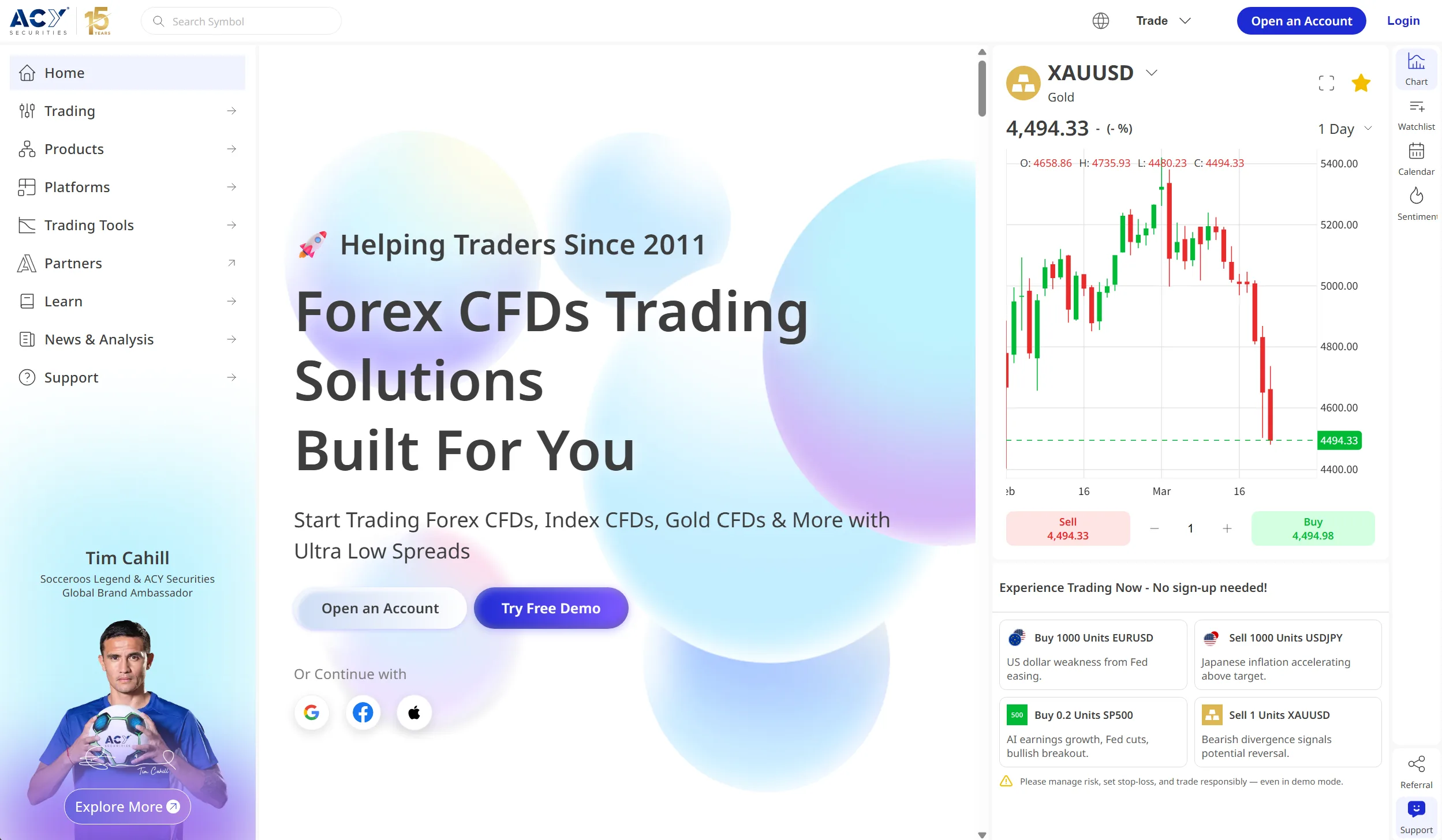
Led UI/UX design for a global trading platform across 40+ countries. Built the design system unifying 5 product lines, partnering with Engineering, Legal, and Product teams to ship compliant, scalable experiences. Platform scale: publicly stated as serving "100K+ active traders" (ACY marketing materials).

ACY Securities platform ecosystem showing integrated design system across multiple products including trading terminals, web platform, and mobile apps with unified visual language
Regulatory Foundation

Built compliance architecture supporting 2+ years of regulatory updates without rework

Scope

Brand + Web + Platform

Business Impact

Enterprise-scale platform, 40+ countries, 5+ product lines unified

System Scalability

Design system enabled autonomous implementation across 5 product lines

ACY Securities Ecosystem

Built the design system unifying 5 product lines across a global trading platform. Partnered with Engineering on technical implementation, Legal on regulatory compliance, and Product teams on roadmap prioritization. ACY.com's Awwwards recognition reflects the exceptional execution of our cross-functional team.

My Design Contribution
β€’ Designed component system that enabled engineering team to reduce implementation time by ~35%
β€’ Collaborated with Legal to build compliance patterns supporting zero violations over 2+ years
β€’ Awwwards recognition achieved through exceptional cross-functional execution (Design, Engineering, Marketing)
View Complete System β†’

Top-Tier Platform Evaluation

Independent broker reviews testing 80+ platforms. While evaluating the entire ACY ecosystem, these reviews specifically highlight the intuitive user experience and clean interface as key competitive advantagesβ€”validating our design strategy's impact on brand perception and user trust.

Independent broker review highlighting platform usability and clean interface design
β€” ForexBrokers.com (2025)
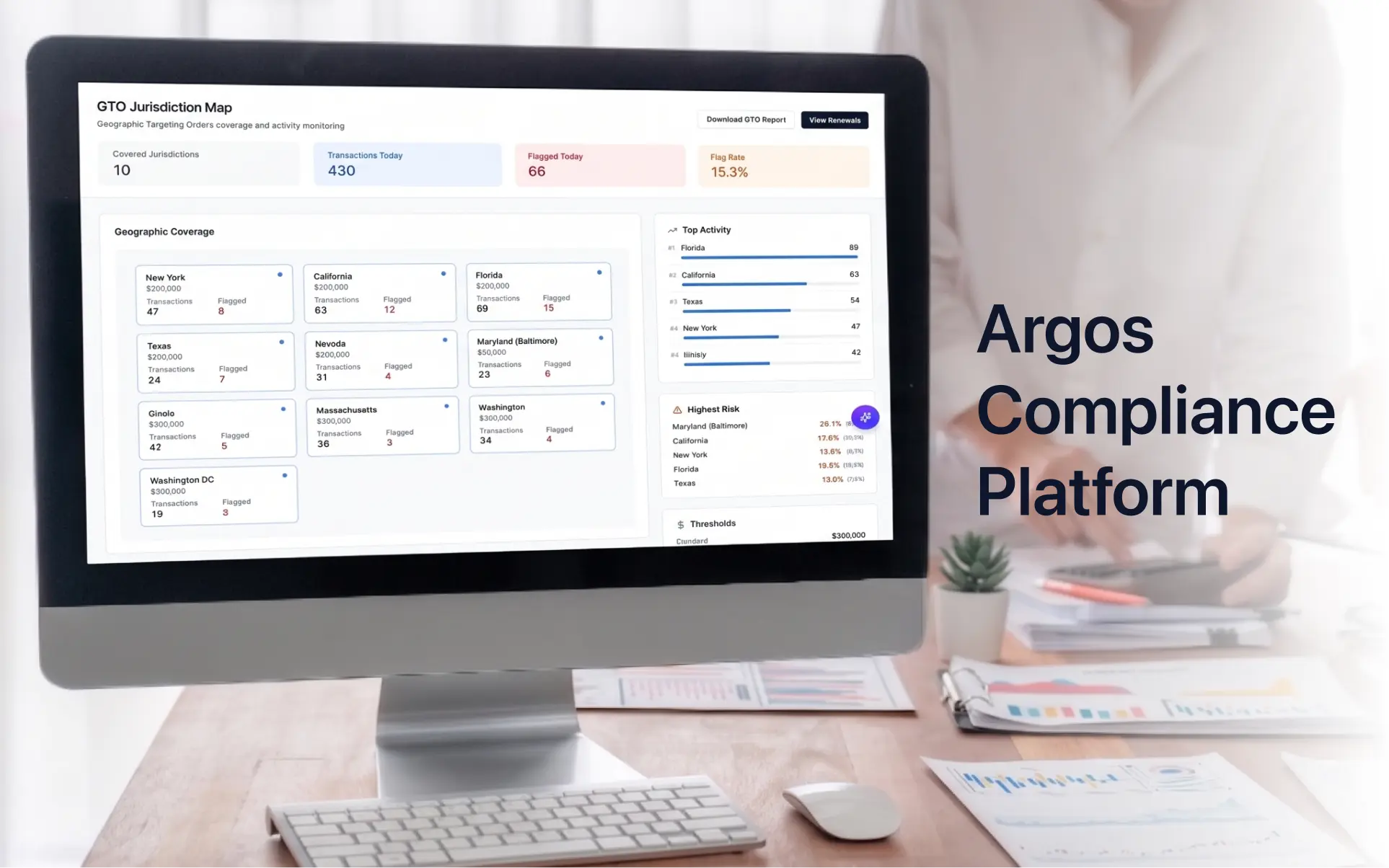
Independent review examining ACY's multi-jurisdictional regulatory compliance framework
β€” Independent Broker Analysis (2026)

The System

40+ components. 12 interaction patterns. 1 coherent design language.
Built to unify 5+ products under a single, maintainable system.
Measurably reduced developer implementation time.
Includes responsive behavior from mobile to 4K,
prototype animations on CodePen for zero-gap developer handoff.

ACY Design System comprehensive overview displaying color palette, typography scale, component library, and animation principles
Explore Design System β†’
Regulatory Design Expertise

Navigating Compliance
Across 5+ Jurisdictions

Translating regulatory requirements into design systems that teams can reuse across compliance updates.

ASIC (Australia)

Gambling UX restrictions, leverage caps, fund segregation UI

FINRA / SEC (US)

Suitability questionnaires, risk disclosure placement

COPPA (US) ⚠️

Age-gating architecture, parental consent flows, per-message liability prevention ($14M+ penalty exposure witnessed)

ESMA (EU)

Inducement bans, cross-border marketing restrictions

FTC / FDA (US)

Claims substantiation, Prop 65 compliance

WCAG 2.1 AA

Global accessibility standards for inclusive financial terminals

Prevention Systems I've Built

150+

Pre-tested Compliance UI Components

Forms, modals, consent flows, disclosure patterns. Typical time saved on urgent compliance projects: 40–60%

~15

Red Flags Caught Proactively

Region-specific compliance checklists (FINRA, ASIC, FCA, GDPR, ESMA) catch issues before they escalate.

8+

Projects Avoided Rewrites

Modular architecture approach β€” independent modules that swap without breaking the system when regulations change.

⚠️

COPPA Compliance: Lessons from a $14M+ Case

Early in my career, I witnessed a social messaging platform face $14M+ in FTC penalties for COPPA violations β€” a public case demonstrating how catastrophically most platforms underestimate Children's Online Privacy Protection Act liability. The penalties were calculated per child, per message, per data point β€” not per user.

What went wrong:The platform's age-gate was placed after initial data collection rather than before. By the time users reached age verification, the system had already collected device identifiers, behavioral analytics, and user-generated content from underage users.

Why this matters for Financial Products: Social platforms represent COPPA's highest-risk scenario. Youth banking products face the same FTC enforcement standards but with lower technical complexity.

My COPPA Design Framework (Forged in High-Risk Environments):

  • Age-Gate First, Always: Hard age verification before any data collection.
  • Parental Consent Flows: Verifiable parent authentication with FTC-compliant disclosure language.
  • Per-Feature Liability Auditing: Every feature that touches user data requires explicit COPPA review.
  • Data Minimization by Design: Collect zero data from <13 users.

Reference: FTC COPPA Enforcement | Current penalty: $43,792 per violation (2023 rates)

Note: Case details referenced from publicly available FTC enforcement actions. My role was observational (employee/team member), not decision-making.

Personal Turning PointI came into design thinking compliance was a lawyer's job. I had an MFA, not a law degree β€” and I assumed that as long as I wasn't committing fraud, I was operating legally.COPPA permanently changed that.Watching a company face fines calculated per child, per message β€” not per account β€” was the moment I understood that design decisions are legal decisions.From that moment, I forced myself to understand regulations β€” not to become a lawyer, but to become a designer who prevents violations before they happen rather than reacting after the fact.

Partnered with legal and compliance teams to translate requirements into reusable patterns β€” enabling faster execution on future regulatory updates.

For US Financial Institutions:My ASIC (Australian) regulatory experience directly translates to SEC/FINRA contexts. ASIC's inducement prohibitions mirror FINRA Rule 2111 (suitability), leverage disclosure requirements align with SEC Reg T margin rules, and gambling-prevention UX principles apply to options trading risk disclosure.

Evidence Ledger

Outcomes, Ownership,
and Verifiable Signals

Summarizing ownership, measurable outcomes, and verifiable signals. Measurable impact (detailed metrics shared during interview).

MEASURABLE OUTCOMES

System Impact Through Process Discipline

  • System Scalability: Designed a component system that scaled across 40+ countries by building flexible patterns into core architecture from day one.
  • Design System Governance: Architected a modular system reused across 5+ product lines with clear documentation and engineering syncs.
  • Engineering Velocity: Improved implementation speed by 35% through structured handoff processes and Storybook documentation standards.
  • Error Prevention: Built compliance architecture that supported ASIC/FCA updates by treating regulatory requirements as strict technical constraints.
MY DESIGN ROLE

Design Contribution Within Cross-Functional Team

  • UI/UX Design Leadership: Established design standards across 5 product lines β€” defining interaction patterns, visual systems, and research frameworks that enabled engineering teams to execute autonomously.
  • Design System Architecture: Authored 150+ components, interaction patterns, motion language, documentation framework, and developer handoff standards.
  • Scaling Design Through Systems: Designed component infrastructure that enabled a 150-person cross-functional organization to deliver consistent, compliant UIs across 40+ countries.
  • Cross-Functional Collaboration: Partnered with Legal, PM, Engineering, Marketing, and C-suite. Design decisions were informed by collective input, not made in isolation.
  • Executive Communication Support: Designed presentation materials for C-suite stakeholders β€” investor briefings, board decks, strategic planning documents.
  • End-to-End Design Process: Led user research, strategic framing, prototyping, and visual QA.
DOMAIN DEDICATION

Bridging the Knowledge Gap

  • Yale University: Financial Markets (Robert Shiller)β€” Completed to deeply understand the systems I was designing: derivatives pricing, risk management, regulatory disclosure rationale, and behavioral finance. Applied learning directly to ACY's leverage warning system design.Applied Learning: Understanding margin call mechanics helped me design the leverage warning system that shows traders exactly how much price movement would trigger liquidation before they enter a position.
CROSS-FUNCTIONAL CONFLICT RESOLUTION

Navigating Stakeholder Disagreement

  • Legal vs. UX Trade-offs: When Legal required adding 47 disclosure fields (ASIC/FCA compliance), data showed 73% drop-off. Proposed tabbed architecture β€” Legal initially rejected. Built interactive prototype demonstrating all fields visible within 2 clicks. After 3-week negotiation with C-suite mediation, Legal approved.
  • Engineering Constraints: Design system required Canvas API animations. Engineering cited performance concerns. Conducted joint profiling, redesigned using requestAnimationFrame batching. Engineering validated and became advocates.
  • Executive Misalignment: C-suite pushed for "Robinhood-style minimalism" in B2B terminal. Traders rejected it (verbatim: "I need density, not whitespace"). Presented side-by-side usability data. CEO approved information-dense design after watching session recordings.
  • Reality Check: These conflicts took weeks to resolve. Success required building trust through repeated collaboration, not winning with a single data point.
RESEARCH PROCESS

Data-Driven Decision Making

  • Research Methodology: Established 5-step research-to-design pipeline using Hotjar (170+ session recordings) to convert behavioral data into stakeholder-convincing evidence.
  • Hypothesis Testing: Qualitative testing of 3 design variants with 15 traders uncovered critical usability gaps β€” validated post-launch: order placement improved from 8.2s β†’ 2.9s (65% faster).
  • Stakeholder Persuasion: Used quantitative data (heatmaps: 85% CTA visibility) to win executive approval for design system investment by proving user behavior, not just defending opinions.
  • Note: Detailed research protocols and methodology shared during interview.
Selected Works

Selected
Projects

These projects show how I work from problem framing to shipped output.

01
PawsRoam

PawsRoam

0-to-1 Startup Β· Product Strategy

Founded and scaled a dual-sided pet adoption marketplace from zero to 1 launch in Japan. End-to-end product ownership: market research, UX strategy, SEO architecture, multi-market expansion across JP/US.

Product StrategySEO Architecture3 Markets

Proves: Entrepreneurial product thinking β€” from zero users to market leadership without paid acquisition

02
Christie's International Real Estate

Christie's Real Estate

Luxury Brand Translation at Global Scale

Translated 250 years of Christie's brand heritage into a digital editorial platform serving high-net-worth audiences globally. Partnered with brand stakeholders across NYC and London to establish design standards that balanced performance constraints with luxury expectations.

Brand StrategyStakeholder AlignmentLuxury UXPerformance Design

What this project shows: Navigating brand constraints and technical trade-offs in high-stakes environments

03
ReactΞ©

ReactΞ©

Production-Ready Component System

50+ typed React components with monorepo structure and documentation. Built from recurring implementation needs in product teams.

React 18+TypeScriptCanvas APITurborepo

What this project shows: Design system thinking with implementation discipline

04
HorizonSync

HorizonSync

Distributed Team Coordination Platform

Algorithmic timezone orchestration for global teams. Built to solve a real pain point in managing cross-timezone workflows for international product teams.

AI IntegrationData VisualizationSystem Design

What this project shows: Product strategy applied to team operations

Design Stance

Embracing Constraints as Design Architecture

Compliance isn't just a hurdleβ€”it's a guide. In finance, the best products feel right because they respect every rule of the game.

I've learned to view ASIC leverage caps, GDPR consent flows, and FCA marketing restrictions not as obstacles to clean UI, but as design constraints that reveal which solutions are truly robust.

In regulated environments, designers who thrive aren't the ones who tolerate constraints β€” they're the ones who use constraints to build better systems.

Constraint-First Framing

Map regulatory, technical, and business constraints before sketching a single screen. The constraints ARE the brief.

Prototype the Risk

Build the compliance-critical path first. If the hardest flow works, everything else follows.

Ship with Legal in the Room

Compliance review isn't a gate at the end β€” it's a collaborator from day one. Zero post-launch violations.

Systemize for the Next Crisis

Every solved problem becomes a reusable pattern. When regulations change, the system adapts in days, not months.

Multidimensional Design

Beyond the Screen

Design isn't just what I do β€” it's how I see the world. From regulated enterprise platforms to culinary experiments, every domain teaches me something new about systems, constraints, and craft.

Designing Across Markets: SF Β· Tokyo Β· Taipei

Led design initiatives across APAC and Western markets, navigating regulatory frameworks (ASIC, FCA, FINRA) and cultural expectations. Trained distributed design teams on localization beyond translation β€” from hierarchy perception to risk disclosure patterns.

40+
Countries Supported
5+
Regulatory Jurisdictions
3
Time Zones Coordinated
"We are made of star stuff."

β€” Carl Sagan

Design, like the cosmos, is about finding order in complexity.

Every regulation is a constraint β€” like gravity shaping a star's evolution. Every user flow is a chemical reaction β€” small decisions cascading into system-wide outcomes.

I don't fight constraints. I use them to build better systems.
The best financial products feel inevitable β€” not because they're simple, but because every variable has been considered, every edge case anticipated.

I Partner with Engineering to Ship, Not Just Spec

My designs don't stop at mockups. I collaborate closely with engineering teams throughout implementation β€” from technical feasibility discussions to production QA.

I've Navigated a Regulatory Crisis

When ASIC issued a 14-day compliance order, I contributed a design-system-based approach to the team's crisis response. The proposal was adopted, and we shipped a compliant system together. Zero violations post-launch.

I Design Across Cultures, Not Just Languages

I've designed for 40+ countries, navigated both APAC and Western regulatory frameworks, and shipped localized products across three time zones.

I Build Systems, Not Screens

One design system governs 5 product lines and measurably reduced implementation time. When regulations change, the system adapts in days. That's not a portfolio claim β€” it's how ACY actually operates.